
You know that sinking feeling when a hard drive or memory card disappears? I lost my graduation video once and swore off single-point storage forever. This post walks you through pCloud the way I wish someone had: raw, practical, and focused on what matters to you — privacy, speed, and real-world value.
Brainstorm: Three quirky ways to think about pCloud
1) Privacy-as-a-vault: pCloud Features as your “digital safe”
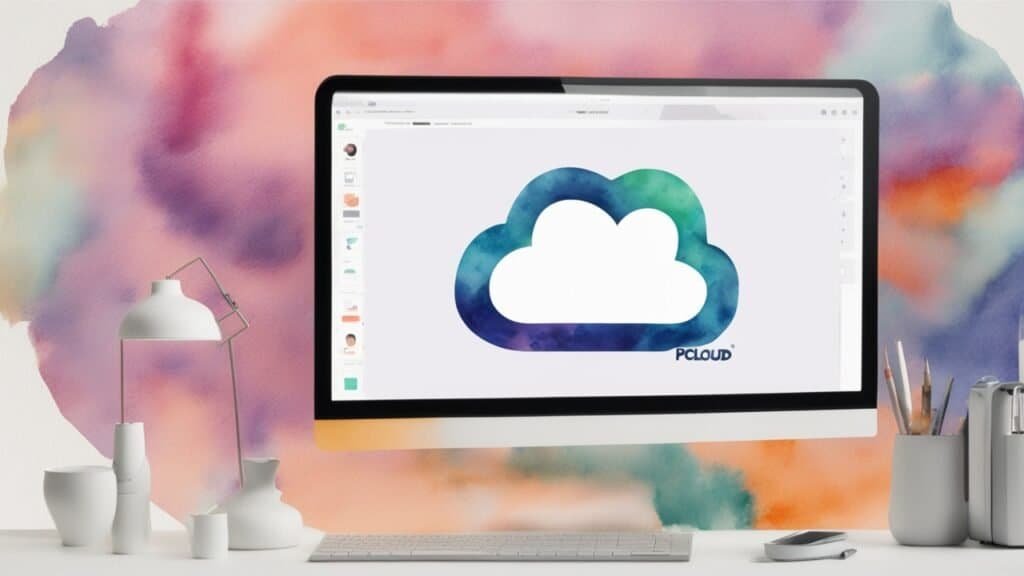
Picture pCloud (run by Switzerland-based pCloud AG, launched in 2013) like a safe you keep at home—except it lives online. Switzerland’s privacy-first reputation makes this framing feel natural. The big idea: your files can be protected with AES-256 encryption, and if you add zero-knowledge privacy, you’re the only one with the key. That’s the vibe behind the simple claim:
pcloud is indeed safe to use
If you’ve ever lost a graduation video because a laptop died, “vault thinking” makes you store the original somewhere that isn’t your desk drawer.
2) Streaming-first storage: your mini-Netflix for home videos
Instead of treating cloud storage like a boring backup bin, treat it like a media shelf you can stream from anywhere. With Media Streaming in mind, you upload your clips, then play them on demand—no hunting through old hard drives. The 10 GB free plan is perfect here: you can test streaming and sync with real files before you commit. If you’re comparing options for Best Cloud Storage, this “watch it, don’t just store it” mindset changes what you value.
3) Pay-once ownership: the Lifetime Plan as a modern heirloom

If subscriptions make you tired, think of pCloud’s Lifetime Plan like buying a sturdy suitcase: pay once, then keep using it. pCloud’s lifetime pricing is straightforward—no setup fees, no hidden charges—with tiers at $199, $399, and $1,190. It’s a quirky but useful way to frame “ownership-minded” cloud storage: buy it, use it for years, and (in a practical sense) you can even pass the account access along with your family archives.
- Personal use: vault + streaming for photos and videos
- Business use: privacy levels + predictable costs
Safety & Security (pCloud Encryption and privacy)
When you’re comparing cloud storage, Safety Security should be the first box you tick. You don’t want to wake up to an alert that your files were exposed in a new wave of attacks. Since launching in 2013, pCloud Safety has leaned hard into encryption and privacy—and it generally goes further than many general-purpose clouds.
What you get: pCloud Encryption + strong transport protection
- AES-256 for file encryption (a widely trusted standard built to resist brute-force attacks).
- TLS/SSL to protect data while it travels between your device and pCloud’s servers.
- An optional add-on called pCloud Crypto for zero-knowledge protection.
Why it matters: zero-knowledge in plain English
Here’s the simple version: TLS/SSL protects your files “in transit,” and AES-256 protects them “at rest.” But pCloud Crypto is the privacy upgrade. With Crypto turned on, your files are encrypted on your device and only you hold the key. That’s what “zero-knowledge” means: no one—not even pCloud staff—can read your encrypted files.
You’ll sometimes hear people call this “end-to-end.” For cloud storage, it basically means the same practical outcome: the provider can store the data, but can’t open it. The trade-off is real, though—if you forget your Crypto password, you can’t recover those files.
Trust signals (and one caveat)
pCloud operates as pCloud AG under Swiss jurisdiction, which adds legal privacy protections—though that isn’t the only reason its Security Features stand out.
pcloud is quite safe and secure given that the nation it’s incorporated in has strict laws for security and privacy
It also ran a $100,000 hacking challenge; 1,000+ hackers reportedly tried and failed. The balanced caveat: pCloud isn’t fully open-source, so you don’t get the same level of independent, full-code audit visibility.
Speed & Media Streaming (Upload Speed and Media Streaming)
Media Streaming: play first, download later
If you store a lot of video, pCloud feels built for you. It has a built-in video player, so you can start Media Streaming right from your cloud—more like watching a file in VLC than “wait, then watch.” That’s a big deal because many cloud services still push you toward a full download before playback, which eats local storage and time.
pcloud is particularly designed to optimize the storage and sharing of video files
With pCloud, you can preview and stream large clips without filling your drive, and you can share video links without forcing people into long Download Time delays just to see what’s inside.
Upload Speeds: fast when your network is fast
When it comes to Upload Speeds and downloads, pCloud is often near the top in speed comparisons (in some tests, it ranks just behind Mega). On a strong connection, the experience is snappy. The source benchmark mentions network speeds up to ~100 MB/s, where a 2 GB video can upload in a very short time.
- Best case: strong wired/Wi‑Fi + no limits = excellent Upload Speed and quick downloads.
- Real-world case: slow ISP plans, Wi‑Fi interference, or throttling can stretch your upload and Download Time a lot.
Practical tip: measure your own upload time
Don’t guess—test. Grab pCloud’s free 10 GB plan and upload a sample 2 GB video over your usual connection. Time it once on Wi‑Fi and once on Ethernet (if you can). That quick check tells you more about your real Upload Speeds than any marketing claim, because your network is often the true bottleneck—not pCloud.
File Management, Syncing & Collaboration (File Syncing & Collaboration Tools)
pCloud Drive: File Management without eating disk space
On Windows (and also macOS and Linux), pCloud’s standout is pCloud Drive, which creates a virtual drive on your system. You browse it in your normal file manager and use cloud files as if they’re local—without filling up your hard drive. That’s a big win for storage-heavy folders like video, design assets, or archives.
The trade-off is simple: because it’s virtual, you generally need an internet connection to access what’s inside. Offline fallback isn’t automatic in the same “always-on local folder” way, so you’ll want to plan ahead for travel or spotty Wi‑Fi.
File Syncing and Sync Capabilities (plus a note on Block Level Sync)
pCloud also lets you sync any folder on your computer, not just one dedicated directory. That flexibility makes File Syncing feel more tailored to how you already work. The desktop apps lean more toward settings than browsing, and some users report syncing errors, but the core syncing options are strong.
Dropbox is still the smoother “set it and forget it” option for many people, and it’s often associated with faster, more seamless updates thanks to features like Block Level Sync (updating only the changed parts of a file). If you edit large files constantly, that can matter.
Collaboration Tools: sharing, permissions, and versioning
pcloud file sharing is an absolute breeze making it the ideal platform for collaborating
For Collaboration Tools, you can share files and folders in multiple ways, including invite-to-folder sharing with permission levels. You also get versioning with previews, so you can track changes and recover older copies—up to 30 days—which is great for ongoing projects.
- Version history: up to 30 days
- Backup options: automatic backups, plus Instagram/Facebook backups
- File management rating (from the source): 4/5
Where Dropbox (and Google Drive) still tend to lead is deep third-party app integrations for team workflows.
Pricing Models & Storage Comparison (Pricing Models, Lifetime Plans)
Pricing Models in Pricing 2026: annual vs one-time
If you’re weighing Dropbox vs pCloud, the Pricing Models feel very different. Dropbox mostly pushes subscriptions, while pCloud gives you both annual plans and Lifetime Plans. That matters if you hate recurring bills or you’re planning to stick with one provider for years.
Storage Comparison: what you pay vs what you get
pCloud keeps things simple and transparent: no setup fees, no surprise add-ons, and pricing stays fixed. For most people, the choice comes down to your Storage Limits and how long you expect to use the service.
| Plan | Storage | Price | Best for |
|---|---|---|---|
| Free | 10 GB | $0 | Testing the app and sharing |
| Premium 500 | 500 GB | $49.99/yr | Light creators, personal backups |
| Premium Plus | 2 TB | $99.99/yr | Photo/video libraries, freelancers |
Lifetime Plans: the long-game value
If you’re a creator or a small team managing client files, a Lifetime Plan can be a smart business move: you pay once, then your storage cost doesn’t keep rising every year. pCloud’s one-time options are:
- $199 (lifetime tier)
- $399 (lifetime tier)
- $1,190 (lifetime tier)
This is where pCloud stands out from subscription-only providers and can become cost-effective over time.
the real deal sweetener for any potential user is the free plan that gives users 10 gigs of storage
In the wider market, Google Drive and OneDrive can look cheaper, but you’re often making different privacy trade-offs compared to a privacy-first setup.
UX, Support & The Verdict (User Interface, Customer Support)
User Interface: smooth syncing, slightly clunky controls
In this Dropbox vs pCloud Storage Comparison, the biggest day-to-day difference is the User Interface. Dropbox feels more polished and familiar, especially if you live inside Microsoft 365 or Google apps. pCloud is easy enough once you learn it, but it’s not as sleek. The desktop clients often act more like settings helpers than full file explorers, so you may find yourself jumping between the app and your folders to get things done. That “slightly clunky” feel is why ease of use lands at 3/5 here.
Customer Support: good info, slower help
Customer Support is where pCloud loses more points. You mainly get email and help articles, and the lack of live chat is a real gap when you need quick answers. That’s why support is rated 2/5. Dropbox, by comparison, tends to feel more “instant” in business settings, with clearer paths to help depending on your plan.
we’ve established that it is a safe and secure cloud storage option with impressive upload and download speed levels
The verdict: privacy-first wins, if you accept the trade-offs
If you want top-tier privacy, pCloud’s security earns a 5/5, and the speeds are strong. You’re basically trading some UX polish and instant support for stronger privacy controls, solid streaming, and the option of lifetime ownership. That lifetime plan can even feel like a weirdly comforting “storage heirloom”—something you keep and pass along, instead of renting forever.
For teams, pricing can tilt things too: pCloud Business Pro can be about $17.4/user/month versus $26/user/month for Dropbox, depending on plan choices. Your best next step is simple: start with pCloud’s free 10 GB, test streaming and sharing, then decide whether lifetime or annual makes more sense for how you work.
TL;DR: pCloud is a privacy-first cloud with AES-256, zero-knowledge options, streaming and solid speeds. Great if you value ownership and lifetime plans; expect a clunky UI and limited live support.