
Let’s be real.
Most industry gurus are feeding you a curated fantasy. They insist that if you aren’t churning out content every single day, the algorithm will instantly penalize your brand and forget you ever existed. They claim that relentless daily output is the only viable path to winning at Search Engine Optimization and capturing market share. It is a dangerous lie. This generic, volume-heavy advice is the fastest way to find yourself trapped on a treadmill of diminishing returns and creative exhaustion.
In reality, search engines are evolving to prioritize depth over frequency. If you actually want to succeed in a saturated market, you must stop focusing on how often you post and start focusing on the weight of your authority. The Fujii Blueprint isn’t about transforming your team into a mindless content factory; instead, it centers on creating fewer, high-authority pillars that solve specific, high-intent problems for your users. Quality is your only real competitive advantage in an era where AI-generated noise is becoming the baseline.
Consider the data: one 3,000-word definitive guide often outperforms twenty shallow blog posts in both rankings and conversions. Your audience doesn’t want more digital clutter; they want a singular, comprehensive solution that actually works. By shifting your focus toward “10x content”, material that is ten times better than the highest-ranking result currently available, you establish a moat around your brand that daily posters simply cannot bridge.
The Risks of Daily Posting and Writer’s Burnout

While the allure of constant visibility is tempting, posting every day without a coherent content strategy is a recipe for disaster. When you force content to meet a rigid calendar, the output becomes repetitive, leading to a steady decline in organic reach. Algorithms prioritize meaningful interactions, and “filler” posts often fail to trigger the signals needed for visibility. This decline isn’t just a metric issue; it represents a fundamental erosion of trust between you and your subscribers.
Beyond the data, writer’s burnout is a tangible threat to long-term growth. Pushing for high daily volume leads to audience fatigue, where followers begin to tune out your updates because they lack “event status.” Instead of building a sustainable digital presence, you are merely adding to the noise on platforms like Reddit and X. This relentless pace leads to creative exhaustion, causing your overall blog management and brand authority to suffer as you lose the capacity for original thought.
- Diluted Value: Daily posting often forces you to stretch one good idea into five mediocre pieces, weakening your core message and confusing your brand’s unique selling proposition.
- Strategic Ghosting: When creators inevitably hit a wall, they often disappear entirely, losing months of hard-earned momentum because they didn’t build a sustainable pace.
- Analytical Blindness: High-frequency posting makes it difficult to isolate variables. When you publish daily, you cannot easily track which specific hooks or formats truly resonate with your target demographic.
Prioritizing a sustainable cadence allows for deeper research and more polished storytelling, which fosters genuine community loyalty over time.
Mastering Topic Clusters and Pillar Content
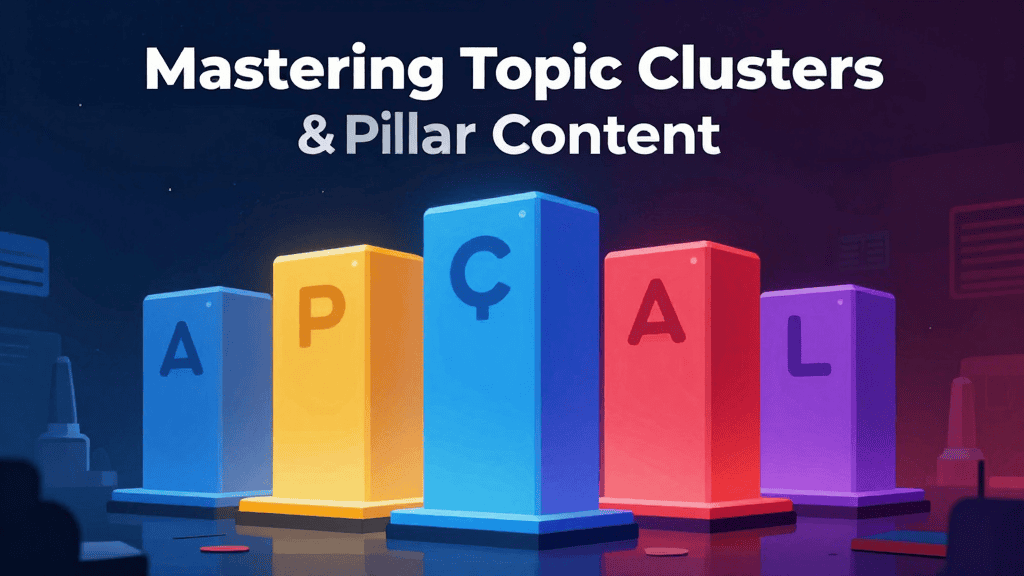
To move beyond the burnout cycle, you must transition away from isolated blog posts and start building content around Topic Clusters. Modern search engines prioritize semantic relevance; by grouping related articles around a central theme, you signal deep topical authority. Competitors who adopt this architectural approach see consistent, compounding traffic growth months after the initial publishing date. In the current SEO landscape, one well-structured pillar post supported by strategic internal links is worth fifty pieces of thin filler content.
To maximize long-term ROI, focus your resources on Evergreen Content rather than chasing fleeting trending topics. Historical data indicates that timeless subjects, such as “how-to” guides or foundational industry principles, provide a stable, predictable flow of visitors. While trending news might offer a temporary spike in visibility, those metrics often crash as quickly as they rose. In contrast, Pillar Content serves as a permanent asset that establishes your niche authority through a structured hierarchy of information.
This “hub-and-spoke” model works by creating a comprehensive “Hub” page that links out to more specific “Spoke” articles. This internal linking structure distributes “link juice” across your entire site, helping lower-authority pages rank higher by association. By addressing the core pain points of your audience with this level of organization, you create a “flywheel effect” where your content stays relevant, earns backlinks naturally, and keeps readers coming back to your site as a trusted, organized resource.
The Power of Content Batching and Scheduling
Effective architecture requires a shift in production habits. Stop writing one post at a time and reacting to empty screens every morning. Content batching is the ultimate secret to long-term sustainability for modern creators. By grouping similar tasks together, such as outlining four articles in one sitting or drafting three long-form guides in a single afternoon, you enter a “flow state” that minimizes the cognitive cost of context switching. Once your drafts are polished, leverage robust hosting tools like Bluehost or specialized editorial plugins to manage your pipeline with precision.
Scheduling your posts in advance allows you to maintain a consistent presence on LinkedIn and other high-traffic platforms without being a slave to your laptop. This structured writing workflow significantly reduces the mental pressure of daily deadlines. For example, spending one dedicated weekend on content creation can fuel your blog for an entire month, ensuring you never miss a peak engagement window while you are busy with other aspects of your business.
This proactive approach allows you to prioritize high-level quality over rushed quantity, keeping your technical optimization on track while freeing up time for community engagement or high-level strategy. Ultimately, batching transforms content creation from a chaotic chore into a scalable, professional system. By the time 2026 rolls around, the creators who win will be those who treated their blog like a library of assets rather than a daily news feed, protecting their creative energy from the friction of constant production.
The Fatal Flaw of Quantity Over Quality
Building on this strategic shift, it becomes clear that prioritizing volume over depth is the fastest way to erode your digital authority. When you force a 24-hour publishing cycle, quality inevitably declines, training your audience to ignore your updates. Genuine consistency isn’t about frequency; it’s about reliability. A comprehensive monthly masterclass earns more trust and return visits than thirty days of superficial filler that fails to solve a reader’s core problem.
The Social Proof Suicide
Oversaturating your feed buries your best work before it can gain traction. Content needs room to breathe to accumulate the likes, shares, and backlinks that build social proof. High-volume posting with zero engagement makes a brand look desperate rather than successful, signaling to both humans and algorithms that your work lacks value.
The Power of Pillar Content and Topic Clusters
Rather than chasing daily news cycles, focus on establishing a semantic architecture. Building authority around core topics and supporting clusters ensures long-term organic growth. One exhaustive guide that answers every possible user intent consistently outperforms a dozen shallow updates, keeping your blog management lean and effective while establishing you as a thought leader in your niche.
Mastering Content Batching and Evergreen Content
To maintain this level of depth without the stress, you must overhaul your workflow. Write several high-quality pieces in one focused session and use scheduling tools to maintain a steady cadence. This approach allows you to focus on timeless solutions that drive traffic for years. By prioritizing strategy over sheer output, you build a sustainable presence that resonates without the psychological weight of the daily grind.
The Risk of Daily Posting and Burnout
While having a goal is essential, attempting to hit that goal every 24 hours often leads to diminishing returns. When creators prioritize quantity over substance, engagement tends to plummet because the unique voice and depth that originally attracted the audience begin to fade. This “volume over value” approach forces you to face significant mental hurdles, where the pressure to produce prevents you from doing your best work.
Following a relentless output model places you on a treadmill that rarely leads to authority. Instead of chasing a high-frequency schedule that drains your resources, consider that one deeply researched, 2,000-word guide often creates more impact than a dozen superficial updates. Modern audiences are increasingly selective; they want actionable solutions that respect their time. By shifting your focus toward high-impact assets, such as case studies or original data, you build a brand that commands respect. Quality content stays relevant for years, whereas rushed daily posts are often buried by the algorithm in hours. True growth comes from being indispensable, not just being present.
Strategic Planning for Sustainable Growth
Building upon this foundation of permanence requires a shift toward intentionality. Developing a robust content strategy serves as a critical safeguard against “trend fatigue,” the common exhaustion felt when chasing every viral whim. By establishing clear, data-driven goals, you ensure that every piece of media aligns with tangible business outcomes, such as lead generation or brand authority, rather than just vanity metrics. A sophisticated approach prioritizes the “80/20 rule” of marketing: spend significantly more energy on strategic distribution than on the relentless treadmill of new production.
To maximize the equity of your existing assets, implement a deliberate internal linking structure. This does more than improve navigation; it creates a topical map that signals your expertise to search engines while lowering bounce rates. For instance, linking a detailed case study to a foundational service page helps guide a prospect through the sales funnel naturally. This architectural approach ensures that even your oldest posts continue to provide value to new visitors.
Ultimately, success in digital marketing is determined by sustainable momentum. True consistency is not defined by high-volume output that leads to burnout, but by maintaining a cadence you can realistically uphold for years. It is about choosing the specific actions that remain effective over the long haul, ensuring your brand remains a reliable voice in a crowded marketplace.
“Consistency isn’t about doing the most. It is about doing what you can repeat long enough to matter.”
The Lean Entrepreneur Publishing Schedule
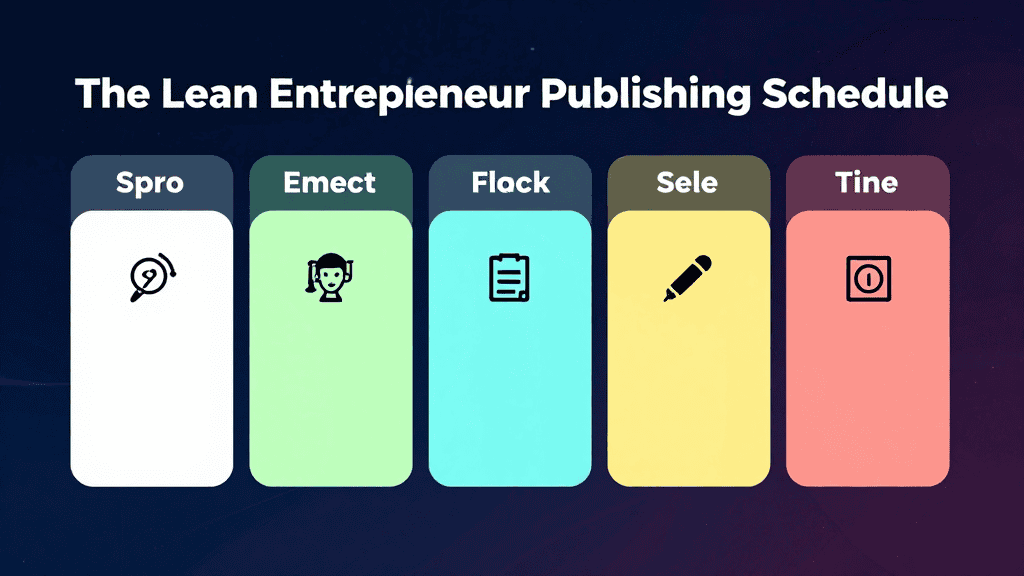
Transitioning to a structured publishing rhythm is the final step in escaping the daily posting myth. While many influencers push for constant volume, real success stems from a strategic blog posting schedule that prioritizes your mental energy. A lean approach reduces the friction of creation and prevents the creative paralysis that often accompanies a disorganized workflow.
Protecting Your Creative Capital
Focusing solely on frequency risks your most valuable asset: your unique perspective. When quality suffers to meet a deadline, your brand authority diminishes. Instead of reacting to every industry ripple, focus on providing deep-dive solutions that solve recurring pain points for your audience. This shift transforms your blog from a news-ticker into a professional library of solutions that retains its value regardless of current trends.
Efficiency Through Systems and Tools
Sustainability is born from efficiency. By writing multiple articles during one deep-work session and scheduling them via platforms like Bluehost or specialized CMS tools, you reclaim your mental bandwidth. This systemic approach allows you to develop comprehensive topic clusters without the stress of “deadlines.” One high-quality pillar post, supported by strategic internal links, consistently outperforms hundreds of low-value filler pieces in terms of lead acquisition and reader trust.
A Realistic Results-Driven Workflow
A lean, purposeful workflow ensures every minute spent on your blog contributes to your bottom line. Use tools like Creaitor for drafting and platforms like Reddit for identifying real-world user questions. To maintain a professional pace without burnout, adopt this monthly rhythm:
- Week 1: Research and outline a major pillar post based on high-intent keywords.
- Week 2: Write and optimize the content for both readability and Search Engine Optimization.
- Week 3: Distribute the core message across email newsletters and social channels.
- Week 4: Audit and update legacy content to ensure stats and links remain current.
Frequently Asked Questions
Is daily blogging consistency ever worth the effort?
Daily posting is rarely sustainable for solo creators; it often leads to audience fatigue and mental exhaustion. Data indicates that engagement levels drop significantly when quality is sacrificed for volume. One high-authority pillar post that addresses a core market pain point will consistently outperform a week’s worth of mediocre filler content in both lead generation and social shares.
How do I stay consistent without hitting a wall?
Success requires mastering content batching to separate the creative process from the administrative one. By drafting multiple articles in a single focused session and using scheduling tools, you eliminate the daily pressure to “find” an idea. Use a content calendar to designate specific days for deep research and others for distribution, ensuring a steady digital presence without the constant stress of a ticking clock.
Will my SEO suffer if I post less frequently?
Actually, organic traffic often improves when you reduce the noise. Modern search algorithms reward depth and niche authority over raw volume, prioritizing comprehensive assets that provide genuine utility. By focusing on evergreen resources rather than ephemeral updates, you build a lasting digital library that attracts recurring visitors through high-intent search queries rather than temporary spikes.
What is the best way to find high-impact ideas?
Stop guessing and start monitoring community-driven platforms like Reddit, Quora, or niche-specific forums to identify recurring frustrations. Align your editorial strategy with solving these specific, documented problems. By building a repository of definitive answers to real-world questions, you drive meaningful engagement and position yourself as a problem-solver rather than just another voice contributing to the digital noise.
The Raw Truth
Transitioning from a high-frequency schedule to a value-driven one requires a shift in perspective: your audience is inherently self-interested. They don’t care about your daily posting streak or your commitment to a arbitrary calendar; they care about their own obstacles and goals. If you provide a transformative solution to a major problem just once a month, you offer infinitely more value than the creator who floods their inbox every morning with superficial observations. Consistency is often mistaken for frequency, but true consistency lies in the reliable delivery of high-quality insights that your readers can actually use.
To find long-term success, you must step off the content treadmill. This frantic pace leads to diluted messaging and a loss of brand identity. Instead, evaluate your strategy to identify high-leverage activities that move the needle, such as original industry experiments, deep-dive case studies, or actionable technical tutorials. For example, a single well-researched white paper can serve as a lead magnet for years, whereas thirty generic social updates disappear from the feed within hours. It is time to shift your energy toward crafting meaningful solutions that command attention through their sheer depth and utility.
References
- How are you staying consistent with blog content without burning out?
- Posting every day isn’t your problem. Posting the same … – Instagram
- If posting consistently feels like a full-time job on top of your actual …
- The Two-Hour Content Creation System I Used to Stay Consistent
- Posting Every Day? The Truth About Consistency on Social Media