
Are you really okay with being left in the dust while your rivals zoom past on the information superhighway?
Stop pretending those endless online courses are working for you. It’s time to face the facts: traditional learning methods are dinosaurs, and a meteor is coming.
That meteor is the micro course, and it’s here to obliterate your outdated strategies and actually teach you something useful.
Key Highlights
Still clinging to those marathon training sessions? Here’s your wake-up call. This is what you need to know about the micro course revolution that’s leaving your old learning approach in the dust.
- A micro course delivers short lessons to help you gain new skills without the soul-crushing time commitment.
- This learning approach is designed for maximum knowledge retention, fighting the dreaded forgetting curve.
- Unlike traditional courses, it focuses on one specific topic, making learning faster and more efficient.
- You get a flexible learning experience that fits your schedule, accessible right from your mobile device.
- Completion rates for micro courses are sky-high because they’re built for modern attention spans.
Wake Up and Smell the Micro Course Revolution
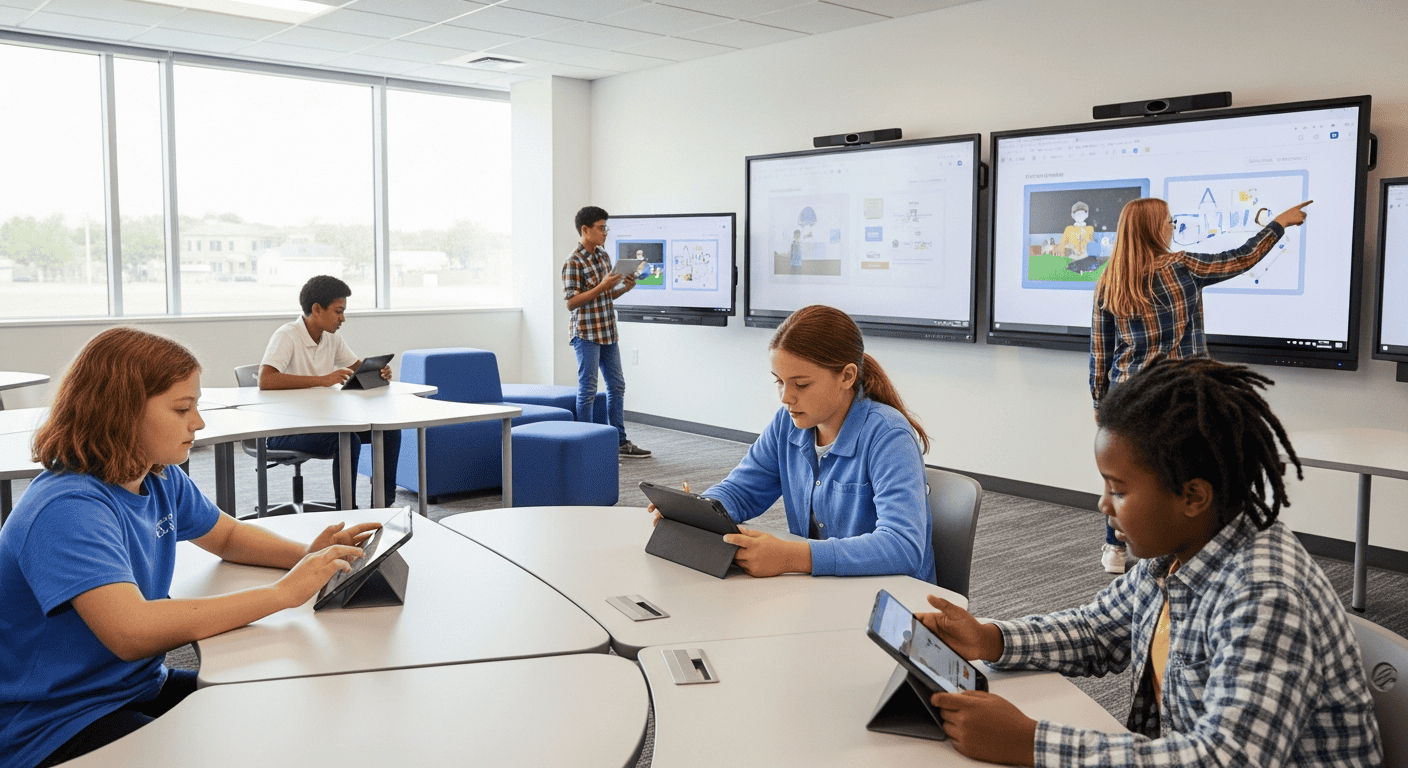
Let’s be honest, your current learning approach is probably as effective as trying to text on a typewriter. You’re hemorrhaging time and resources, and for what? A certificate you barely remember earning?
The micro course is the kick in the ass you desperately need. It’s a sharp, focused learning approach designed to deliver new skills without the bullshit. It’s time to stop sleepwalking and start learning like you mean it. Let’s explore why your old methods are failing and how this new approach is your only way out.
Why Sticking to Old-School Learning Is a One-Way Ticket to Nowhere
Those traditional courses you’re so fond of? They’re a joke. You sit through hours of content only to fall victim to the Ebbinghaus forgetting curve, where most of what you “learned” vanishes within days. It’s a spectacular waste of your time and brainpower. Only a fraction of employees ever apply skills from these dusty training programs to their actual jobs.
The problem is simple: these old learning methods are fighting a losing battle against modern attention spans. Your brain isn’t built to absorb a firehose of information for hours on end. It’s like trying to fill a shot glass with a fire hydrant—messy and completely ineffective.
So, what is the definition of a micro course? It’s the antidote to this outdated nonsense. It’s a learning method built for how your brain actually works, delivering knowledge in small, digestible pieces you can actually use.
How Micro Courses Are Flipping the Script on Education
A micro course isn’t just a shorter version of the same old crap; it’s a complete overhaul of the learning approach. This online learning model, rooted in micro learning, delivers information in potent, bite-sized chunks. Think of it as a surgical strike on a specific skill gap, rather than the carpet-bombing approach of traditional education.
The biggest difference? A micro course respects your time and intelligence. Instead of drowning you in a sea of marginally relevant content, it gives you exactly what you need, right when you need it. This focused approach means you’re not just learning; you’re retaining and applying.
So, how does a micro course differ from traditional online courses? It ditches the fluff and gets straight to the point. It’s about impact, not hours logged. It’s the difference between a targeted missile and a clumsy catapult.
Micro Course Meaning—The Only Definition You’ll Ever Need
Forget the jargon-filled academic explanations. The definition of microlearning is simple: learning in small, powerful bursts. A micro course is the practical application of this idea, breaking down complex topics into smaller units that don’t make you want to gouge your eyes out.
It’s learning that fits into the cracks of your day, not a massive boulder that crushes your schedule. It’s about getting smarter, faster. Now, let’s cut through the noise and get to what this really means for you.
What Exactly Is a Micro Course?
So, what is the definition of a micro course in plain English? It’s a short, hyper-focused course designed to teach you a specific skill or piece of knowledge. It verifies a person’s knowledge in a specific area without the long-term commitment of a degree program. This learning approach is all about efficiency and immediate application.
Instead of a sprawling curriculum, you get short bursts of high-impact content. The goal of a micro is to fill a knowledge gap on demand. Think of it as a learning scalpel, not a sledgehammer. It’s designed to be:
- Short: Often taking just 10-15 hours, sometimes as little as 1 to 10 minutes per lesson.
- Focused: Targets a single competency or skill.
- On-Demand: You learn what you need, when you need it.
This isn’t your grandfather’s night school. It’s a modern solution for a fast-paced world where nobody has time for fluff.
Micro Course vs. Traditional Online Course—Spot the Difference
Still confused about how a micro course differs from the traditional courses you’ve been forced to endure? Let’s make it painfully clear. Traditional courses are like an all-you-can-eat buffet of information—most of it you don’t need, and it leaves you feeling bloated and tired. A micro course is like a perfectly crafted espresso shot: quick, potent, and gets the job done.
The entire microlearning strategy is built on delivering short lessons that you can absorb and apply instantly. It’s about active learning, not passive consumption. Your competition is probably still slogging through hours of content in those old-school courses, wondering why they can’t remember anything.
Here’s a breakdown that even a sleep-deprived intern could understand:
|
Feature |
Micro Course |
Traditional Course |
|---|---|---|
|
Length |
Short and sweet (minutes to a few hours) |
An eternity (weeks or months) |
|
Focus |
Laser-focused on one skill |
Broad, covers multiple topics |
|
Flexibility |
Learn anytime, anywhere |
Rigid schedule, fixed timelines |
|
Retention |
High, thanks to bite-sized content |
Low, due to information overload |
The Big Benefits—Micro Courses Aren’t Just Hype
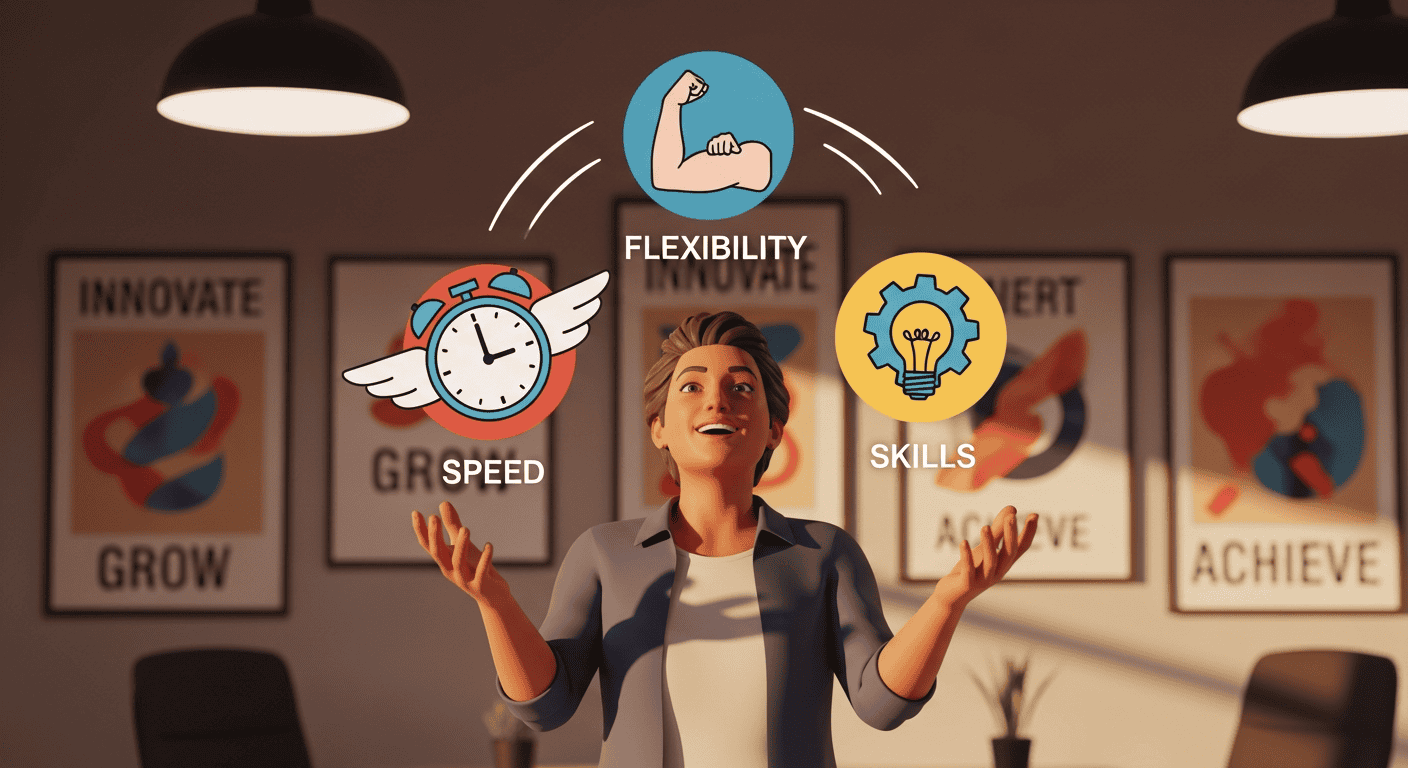
If you think this is just another fleeting trend, you’re dead wrong. The benefits of a micro course aren’t just hype; they’re a strategic advantage. This is about transforming how you acquire new skills and boosting learner engagement from pathetic to powerful.
Your brain is wired for this stuff. Short, relevant bursts of information are easier to process and remember. Let’s look at the cold, hard facts about what makes this approach so damn effective.
Faster, Smarter, Stronger: What Micro Courses Do for You
The main benefits of taking micro courses are simple: they make you better, faster. A micro course is engineered for maximum knowledge retention. By focusing on one thing at a time, you’re not just consuming information—you’re cementing it in your brain. This approach increases retention by at least 50%.
The best practices in microlearning design lead to staggering completion rates. While traditional courses hover around a depressing 20-30% completion rate, a 10-minute micro course boasts an average of 83%. People actually finish them because they’re not a soul-crushing time suck.
Here’s what you get:
- Improved Focus: Short modules keep you locked in without distraction.
- Higher Retention: Digestible chunks of info stick in your working memory.
- Immediate Application: Learn a skill and use it seconds later.
Flexibility That Makes Your Couch Jealous
One of the most powerful benefits of micro courses is their insane flexibility. This flexible approach means learning happens on your terms. You’re not chained to a desk or a rigid schedule. You can learn while commuting, waiting for your coffee, or during a commercial break.
This flexible format is designed for mobile devices, putting knowledge right in your pocket. Half of the time learners spend online is on a mobile device, so why should your training be stuck on a desktop? This isn’t just about convenience; it’s about integrating learning into the flow of your life.
You get to control the flow of information and create a custom learning path that makes sense for you. This level of autonomy is something traditional learning methods can only dream of.
Real Skills, Right Now—Who Should Jump In?
So, who should consider enrolling in a micro course? Anyone who is sick of wasting time and wants to gain new skills that actually matter. If you value your career development and want to see immediate results, this is for you. This includes professionals looking to upskill, new hires needing to get up to speed, and anyone with a specific knowledge gap to fill.
The goal of a micro is to provide a quick, targeted solution. Are you a manager who needs to learn how to give better feedback? A marketer who needs to understand the latest social media algorithm? A developer who needs to master a new coding trick? There’s a micro course for that.
It’s for the ambitious, the impatient, and the pragmatic. It’s for anyone who understands that in today’s world, standing still is the same as moving backward.
Topics That Actually Matter—What Gets Covered in a Micro Course
Don’t expect a micro course to teach you the entire history of ancient Rome. This isn’t about broad, academic subjects. It’s about zeroing in on a practical area of study that you can use immediately.
These courses are often developed by subject matter experts who are in the trenches, not ivory tower academics. They cover topics that are in high demand right now. Let’s look at some examples of what you can actually learn.
From Tech Skills to Life Hacks: Examples of Micro Course Subjects
Think the same old subjects can keep up with today’s fast-paced world? Think again. From mastering tech skills like coding to essential life hacks such as time management, micro courses tackle everything in bite-sized lessons that demand your attention. Got a passion for creativity? Try courses on digital design or photography. Need a boost in your career? Explore leadership skills or financial literacy. These micro courses are the antidote to the outdated methods dragging you down. Embrace the change!
How Micro Courses Target High-Demand Skills
A micro course is your secret weapon for acquiring high-demand skills and ensuring workforce readiness. What skills can be learned effectively? Anything that can be broken down into focused, actionable steps. This format excels at teaching skills that companies are desperate for right now.
Think about the retail industry. Instead of a week-long seminar, a new employee can take a series of micro courses on customer service, operating the point-of-sale system, and handling returns. They learn faster and start contributing sooner. The same principle applies across countless sectors.
From tech to healthcare, these courses deliver the precise skills needed to stay relevant and competitive. They are a direct response to the market’s needs, offering a quick and dirty way to upskill your team or yourself without the downtime of traditional training.
Beginner’s Guide: How to Ditch Ancient Learning and Start a Micro Course
Ready to stop being a dinosaur and join the revolution? Ditching your old learning approach for a micro course is easier than you think. You don’t need a PhD in instructional design or a pile of cash. You just need a willingness to stop doing what doesn’t work.
This is about adopting the best practices for modern learning. It’s a simple, straightforward process that puts you in control. Let’s walk through the steps to get you started on your first micro course.
What You’ll Need to Get Started—No Fancy Crap Required
To start your first micro course, you don’t need a state-of-the-art computer or a fancy degree. The beauty of this online learning model is its accessibility. The best approach is the simplest one. If you have a device that can connect to the internet, you’re already 99% of the way there.
How are micro courses usually delivered or accessed by students? Primarily through mobile devices and web browsers. This means you can learn from your phone, tablet, or laptop. The platforms are designed to be intuitive, so you can focus on the content, not on figuring out how the damn thing works.
All you really need is an internet connection and a desire to learn something new without the usual bullshit. No expensive textbooks, no long commutes, no sitting in a stuffy classroom. Just you, your device, and the knowledge you need.
Step-by-Step Guide to Enrolling and Winning
Alright, let’s get down to brass tacks. Enrolling in a micro course and actually finishing it is a simple process. Forget the complicated registration of traditional schools. Following these best practices will have you earning a new skill before your coffee gets cold.
You choose what you want to learn, sign up, and get to it. How are micro courses usually delivered or accessed by students? Through a simple online portal or app. Just log in and the training content is right there waiting for you.
Here’s your no-nonsense guide:
- Step 1: Identify the skill you need to learn.
- Step 2: Find a provider and pick the course of your choice.
- Step 3: Enroll, which usually takes a few clicks.
- Step 4: Start learning and apply your new knowledge immediately.
Step 1: Pick Your Micro Course Poison
How do I choose a micro course? Stop overthinking it. What’s the one skill that would make your life or job easier right now? That’s your starting point. Don’t browse aimlessly like you’re on social media. Have a clear objective.
Look for a micro course in an area of study that directly addresses your pain point. Do you suck at public speaking? Find a course on it. Is your code sloppy? Find a course on clean coding principles. The options are endless, so be decisive.
Make sure the course is taught by credible subject matter experts. You want to learn from someone who has actually done the thing, not just read about it in a book. Pick your poison, and get ready to drink it down.
Step 2: Access the Platform Like a Pro
Once you’ve enrolled, accessing the online learning platform is the next step. This isn’t rocket science. How are micro courses usually delivered or accessed by students? You’ll typically get a login for a website or an app that you can use on your mobile devices.
The training content is usually organized into a series of short modules or lessons. The interfaces are designed to be idiot-proof. You click on a lesson, watch a short video or read a quick article, and maybe take a short quiz. It’s designed for quick, seamless access.
Don’t be intimidated by the technology. These platforms are built for ease of use because the focus is on the content, not the container. Log in, find your first lesson, and press play. It’s that simple.
Step 3: Complete Lessons Without Snoozing
The real magic of a micro course is that you can actually finish it. Because the lessons are delivered in short bursts, they are custom-built for modern attention spans. You don’t have time to get bored and start scrolling through your phone.
This format maximizes learner engagement by giving you quick wins. You complete a lesson in minutes, feel a sense of accomplishment, and move on to the next. It’s a continuous cycle of learning and positive reinforcement. How are micro courses usually delivered? In a way that respects your time.
Forget about trying to stay awake during a 60-minute lecture. These lessons are designed to be consumed, understood, and completed before your mind has a chance to wander. You’ll be shocked at how much you can learn when you’re not fighting to stay conscious.
Step 4: Show Off Your New Skills
After you crush your micro course, you don’t just walk away with new skills in your brain. You get proof. Most courses offer a certificate of completion or a digital badge that you can—and should—plaster all over your professional profiles.
Are micro courses recognized by employers or educational institutions? Increasingly, yes. A digital badge on your LinkedIn profile from a reputable provider shows initiative and proves you have proficiency in a specific area. It’s a tangible asset that tells employers you’re serious about your development.
This isn’t just a piece of paper; it’s verifiable proof of your competence. It’s a signal to the world that you’re not just sitting on your ass waiting for opportunities to fall into your lap. You’re actively building your value.
Conclusion
In a world where outdated educational methods are dragging you down like an anchor in a storm, embracing micro courses is your lifeline. They’re not just a trend; they’re a revolution that cuts through the crap of traditional learning. With flexibility that makes your couch jealous and skills that matter, micro courses empower you to level up faster than your competition can say “old-school.” So, if you’re ready to break free from the shackles of ineffective strategies and dive headfirst into your future, don’t hesitate. Sign up for a micro course today and watch the transformation unfold. Your next chapter awaits—grab it now!
Frequently Asked Questions
How Long Does It Take to Finish a Micro Course?
The length of a micro course varies, but “short” is the operative word. Some can be completed in a single sitting with a few short videos, while others, like those from the National Education Association, might take 10-15 hours. The point is, it’s a fraction of the time of a traditional course.
Are Micro Courses Recognized by Employers or Schools?
Yes, recognition is growing fast. While a micro course from a non-accredited institution won’t replace a degree, the digital certificate or certificate of completion is a valuable credential. Employers see it as proof of specific skills and a commitment to continuous learning, which is a massive plus.
What’s the Difference Between Microlearning and Micro Courses?
Microlearning is the broad strategy or type of learning that involves consuming information in small chunks. The definition of microlearning is simply bite-sized learning. A micro course is the structured package that delivers this strategy—a formal, short course built on the principles of microlearning.
How Are Micro Courses Delivered to Students?
A micro course is delivered digitally, making it one of the most accessible types of online courses. Students access the training content through web browsers or apps on their mobile devices, laptops, or tablets. This ensures you can learn anytime, anywhere you have an internet connection.