
Key Highlights
- The traditional SaaS business model is facing major disruption due to the rise of AI.
- AI agents are changing how we interact with software, automating tasks and reducing the need for manual user input.
- This shift is causing a re-evaluation of software costs, moving from per-seat pricing to outcome-based models.
- The software industry is evolving towards a “Service-as-a-Service” approach, where functionality is delivered via APIs and AI.
- Businesses must adapt to this new landscape or risk being left behind by more agile, AI-native solutions.
Introduction
For nearly two decades, Software-as-a-Service (SaaS) has been the foundation of enterprise software. Companies across the globe rely on the vast SaaS ecosystem for everything from HR to customer management. However, a major shift is underway. The tech world is buzzing with a bold claim: “SaaS is dead.” This isn’t about decline but a massive evolution, forcing us to rethink the future of software.
Why Experts Are Declaring SaaS Is Dead

Why are so many experts suddenly questioning the future of SaaS? Last year, Microsoft’s CEO Satya Nadella made waves by declaring “SaaS is dead,” sparking a major debate. This statement highlights a growing sentiment that the traditional model is no longer sufficient in an AI-driven world.
This declaration doesn’t mean software is disappearing. Instead, it signals a fundamental disruption. The way we use and pay for software is changing. SaaS companies that rely on old models face immense pressure to adapt or become obsolete. The industry is at a turning point, driven by new technologies.
The Changing Software Landscape
The rise of AI has dramatically altered the outlook for traditional SaaS. For years, enterprise software has meant navigating dozens of different applications daily, creating a complex and fragmented workflow. Employees have had to adapt to the software, not the other way around.
This complexity is where AI steps in. Instead of clicking through various interfaces, users can now interact with AI agents. These agents can understand commands and perform tasks across multiple systems seamlessly. This tech evolution simplifies how work gets done.
The future of software is moving away from a patchwork of apps and toward a more integrated, intelligent system. This shift changes the very nature of how businesses use technology, making processes more efficient and user-friendly.
Defining “SaaS Is Dead” in Today’s Market
So, is the SaaS business model truly finished? Not exactly. The phrase “SaaS is dead” points to the end of the traditional, seat-based subscription model. The market is evolving into a hybrid landscape where value is measured differently.
The focus is shifting from simply providing software access to delivering outcomes. New SaaS solutions are being built with a better user experience in mind, one that is less about manual interaction and more about automated results. This is less of a death and more of a metamorphosis.
Ultimately, the market is adapting to new technological capabilities. Classic SaaS is being disrupted by models that are more flexible, intelligent, and aligned with what businesses actually achieve with the software.
The Impact of Artificial Intelligence on SaaS
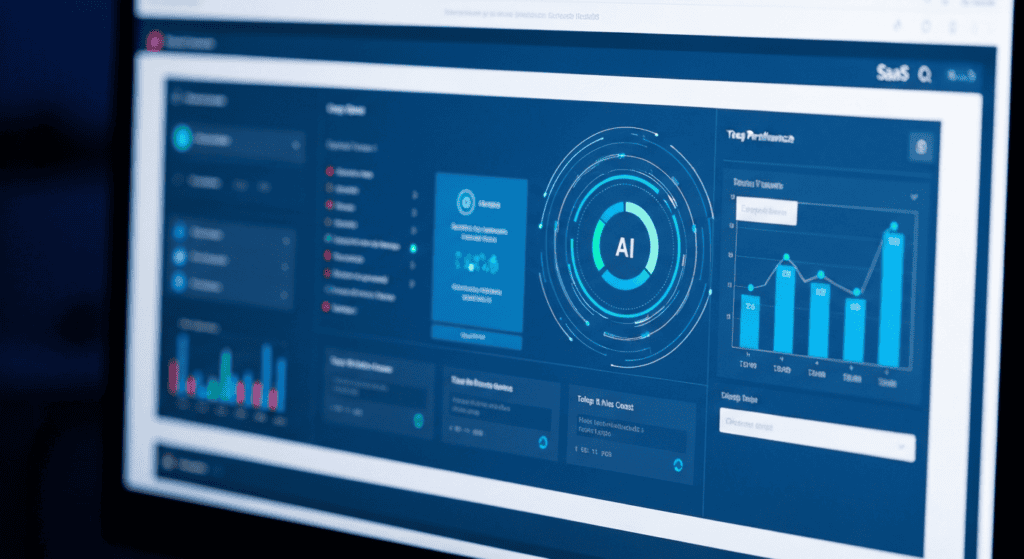
Artificial intelligence is the primary force reshaping the SaaS landscape. The introduction of powerful AI agents offers a completely new way for users to interact with software, moving beyond traditional dashboards and interfaces toward conversational commands and automation.
This shift presents both a massive opportunity and a significant threat to SaaS companies. AI can replace manual, repetitive tasks, which could undermine the per-user pricing models that have dominated the industry. The future prospects for SaaS businesses now depend on how they integrate and leverage AI.
AI-Driven Automation and Its Effects
AI-driven automation is revolutionizing the modern workflow. Instead of employees manually navigating multiple software applications, AI agents can now execute complex tasks behind the scenes. Imagine telling an agent to “generate the quarterly sales forecast,” and it pulls data from various systems to do it for you.
This level of automation streamlines operations significantly. Repetitive processes that once took hours can now be completed in minutes. This creates a new “flow-of-work” user experience where the AI acts as an intermediary, abstracting away the complexity of the underlying software.
The effect is profound: AI becomes the new interface layer. This change not only boosts productivity but also challenges the core value proposition of many existing SaaS tools, which are built for direct human interaction.
Challenges Facing Traditional SaaS Companies
Traditional SaaS companies are at a crossroads, facing significant disruption from new tech. Their long-standing business models are being called into question as AI offers more efficient alternatives. The core challenge is adapting quickly enough to remain relevant.
Many incumbents are struggling to keep pace with the rapid advancements of native AI tools. Some of the main criticisms of the traditional SaaS business model today include:
- Obsolete Pricing: The per-user, per-month model becomes less viable when AI agents can do the work of multiple humans.
- Fragmented Experience: Users are tired of juggling dozens of separate applications that don’t communicate well with each other.
- Slow Innovation: Established SaaS giants are often slower to integrate meaningful AI features compared to agile, AI-first startups.
This pressure is forcing a complete re-evaluation of how software is built, sold, and used.
“Service-as-a-Service”: The Next Evolution
As the traditional SaaS business model faces pressure, a new concept is emerging: “Service-as-a-Service.” This represents the next stage in the evolution of software delivery, moving beyond simply providing access to an application.
In this new model, SaaS vendors deliver outcomes and functionality directly, often through AI agents and APIs, rather than just a user interface. It is a fundamental shift from selling software seats to selling automated services, which changes the entire economic equation for both buyers and sellers.
What Is Service-as-a-Service?
So, what exactly is “Service-as-a-Service”? Think of it as a move from providing tools to providing results. Instead of licensing a piece of software with a user interface, you access its capabilities through APIs or AI agents.
This model is “headless,” meaning the front-end interface is separated from the back-end functionality. For example, rather than logging into a CRM to update a record, you could have an AI agent do it for you by interacting with the CRM’s API.
The focus is on orchestrating workflows and automating tasks across different systems. Service-as-a-Service is about consuming modular software capabilities on demand, allowing for greater flexibility and efficiency than monolithic SaaS platforms.
Comparing Service-as-a-Service With SaaS
The difference between Service-as-a-Service and traditional SaaS solutions is fundamental. Classic SaaS provides a complete, packaged application with a user interface. You pay for access, typically per user.
Service-as-a-Service, on the other hand, unbundles the software’s functionality. You consume specific capabilities as needed, often via AI or automated processes. It’s less about the software itself and more about the job it performs.
This table highlights the key distinctions:
| Feature | Traditional SaaS | Service-as-a-Service |
|---|---|---|
| Primary Interface | Graphical User Interface (GUI) | APIs and AI Agents |
| Business Model | Per-seat, subscription-based | Outcome or consumption-based |
| User Interaction | Manual, direct interaction | Automated, orchestrated |
| Architecture | Monolithic applications | Modular, “headless” services |
Criticisms and Limitations of the SaaS Business Model
The traditional SaaS business model isn’t without its flaws. A major point of criticism revolves around its rigid pricing structures. Companies often pay for licenses per employee, regardless of how much each person actually uses the software, making it difficult to calculate a clear ROI.
These escalating software costs have become a significant pain point for many organizations. As businesses adopt more and more apps, they face “SaaS sprawl,” leading to wasted spend and complex management. This has created an environment ripe for a model that offers better value.
Customer Frustrations With Legacy SaaS
Customers are growing increasingly frustrated with legacy SaaS platforms. A primary complaint is the clunky user experience. Many enterprise apps are essentially just a “CRUD” (Create, Read, Update, Delete) interface on top of a database, forcing users into tedious, repetitive data entry.
In areas like customer relationship management, employees spend their days navigating complex menus and forms instead of focusing on valuable work. This creates a poor user experience and hinders productivity. Key frustrations include:
- Context Switching: Employees must constantly jump between dozens of different apps, each with its own interface and learning curve.
- Data Silos: Information is often trapped within individual applications, making it difficult to get a holistic view of the business.
- Manual Work: Users are forced to adapt to the software’s limitations, performing tasks that could and should be automated.
Scalability and Security Concerns
Beyond user frustrations, traditional SaaS models present challenges with scalability and security. As a company grows, managing hundreds of different SaaS subscriptions becomes a significant governance headache. Ensuring compliance and uniform security policies across a sprawling software portfolio is incredibly complex.
Each new application introduces a potential security vulnerability. The decentralized nature of SaaS adoption can lead to a lack of oversight, creating risks for data breaches and non-compliance. Central IT teams often struggle to maintain control.
This creates a need for a more unified approach. A system centered around AI agents and modular services could offer better governance and security by centralizing how data is accessed and tasks are executed, rather than relying on a patchwork of disparate tools.
Enterprise Shifts in the Post-SaaS Era
In the emerging post-SaaS era, enterprise customers are rethinking their software strategies. Instead of simply buying more enterprise SaaS licenses from giants like Salesforce or Oracle, they are looking for ways to optimize processes and drive real efficiency.
This means a shift away from application-centric thinking toward an outcome-oriented approach. Businesses are beginning to design workflows that transcend the limitations of any single SaaS system, leveraging AI and automation to connect disparate processes and unlock new value.
How Corporate Software Strategies Are Evolving
Corporate software strategies are evolving to prioritize innovation and control. Instead of being locked into the ecosystems of large SaaS companies, businesses are exploring ways to build more flexible and efficient tech stacks.
This involves designing workflows around end-to-end outcomes. Process teams are now empowered to create application-neutral efficiencies, leveraging modular software components accessible via APIs. The focus is on what needs to be done, not which specific app to use.
This evolution means a fundamental re-architecture of the enterprise tech stack. Instead of being built around SaaS interfaces, tomorrow’s stack will revolve around AI agents that interact with backend services, giving companies more strategic control over their digital operations.
Conclusion
In conclusion, while the notion that “SaaS is dead” may sound alarming, it actually serves as a call to action for businesses to adapt and evolve. The software landscape is changing rapidly, driven by advancements in AI and shifting customer expectations. Embracing the concept of “Service-as-a-Service” can open new avenues for growth and innovation. By understanding the limitations of traditional SaaS and adjusting corporate strategies accordingly, businesses can thrive in this new era. It’s essential to remain agile and responsive to these changes to stay competitive in an ever-evolving market. If you’re ready to navigate these shifts effectively, consider seeking expert guidance to help you transform your business strategy today.
Frequently Asked Questions
Did Satya Nadella Say SaaS Is Dead?
Yes, Microsoft CEO Satya Nadella reportedly said “SaaS is dead” on a podcast. This comment created a shockwave across the tech industry, accelerating conversations about the disruption facing the traditional software-as-a-service model and impacting how investors view software stocks.
What Should Businesses Do if SaaS Is Truly Dead?
If the old SaaS business model is fading, businesses should re-evaluate their software investment. Focus on solutions that deliver clear outcomes rather than just access. Prioritize vendors that offer flexible, consumption-based pricing to reduce wasted software costs and maximize the return on every dollar spent.
Is SaaS Actually Dead or Just Evolving?
SaaS isn’t dead, but its business model is undergoing a radical evolution. The SaaS ecosystem is moving away from monolithic enterprise software and toward a more modular approach. The future is a hybrid model built on APIs and powered by AI agents.